 VPSbit
WordPress on a VPS, No KYC: USDT & XMR From $4.80
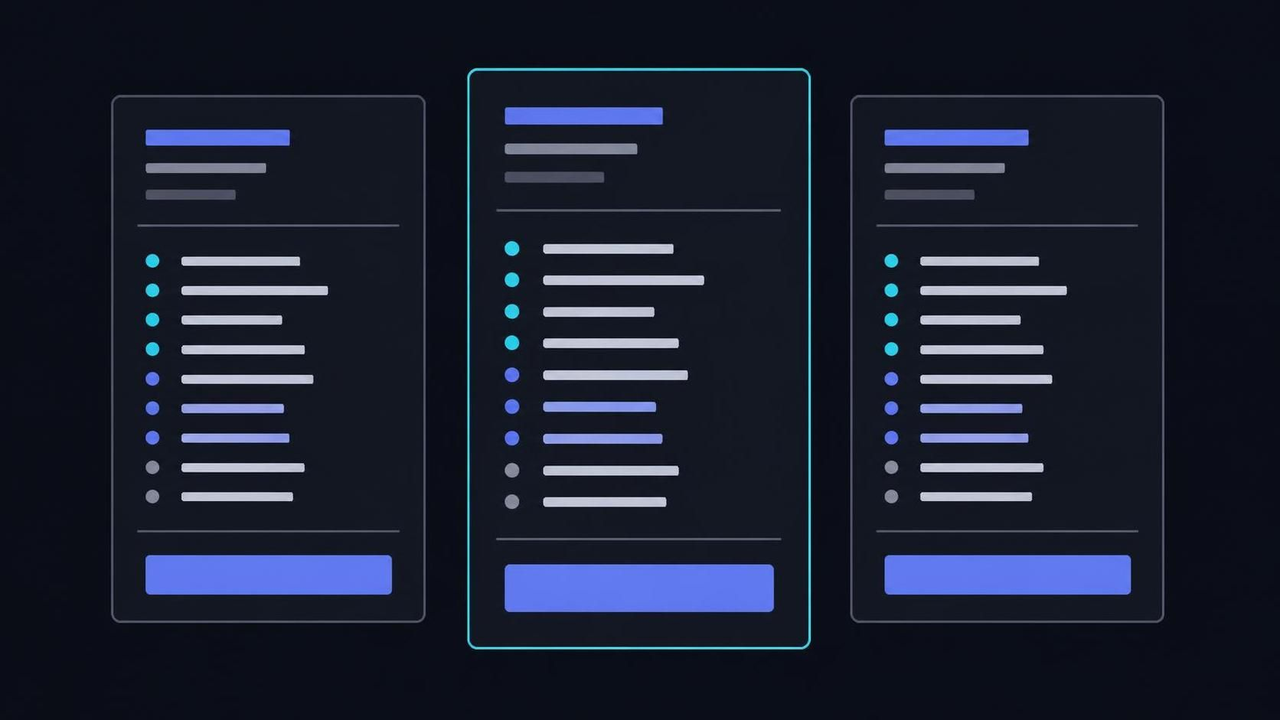
No-KYC WordPress hosting: root VPS with NVMe storage, unmetered traffic, DDoS shield included. Pay in USDT or XMR. Prime ($12 list / $9.60 annual-eff) fits WP.
No-KYC WordPress hosting: root VPS with NVMe storage, unmetered traffic, DDoS shield included. Pay in USDT or XMR. Prime ($12 list / $9.60 annual-eff) fits WP.
12 locations · 19 coins · SLA 99.95% · no KYC · public canary
VPS from $4.80* — Core on the annual term (list $6/mo), one invoice for 12 months, no auto-charges. Dedicated with IPMI from $39.20/mo. Crypto invoice, no KYC.
Launch nowWhere WordPress belongs: shared hosting or a VPS
| Shared hosting | VPSbit VPS | |
|---|---|---|
| Neighbors | Hundreds of co-tenants pooling one IP reputation | Nothing but your own container |
| CPU/RAM headroom | “Unlimited” right up until the throttler kicks in | Fixed, documented, reserved for you |
| Plugins | Security plugins are frequently banned | Anything you like — root is yours |
| Caching layer | Decided by the provider | Nginx FastCGI cache, Redis, LiteSpeed — pick your own |
| Billing | Card on file, auto-renews | A crypto invoice, no card involved |
From zero to live in an afternoon
- Order the server — Prime ($12 list, $9.60 annual-eff: 4 vCPU / 8 GB) is the realistic starting point for WordPress.
- Deploy the stack — Nginx + MariaDB + PHP-FPM, or a panel that installs in one command — then point the domain's DNS records at it.
- Move the site with a plugin such as Duplicator or All-in-One WP Migration, or through wp-cli search-replace — either route leaves any shared host behind.
- Switch on page caching plus an object cache, and TTFB should land below what the old shared plan ever delivered.
Extras the platform includes at no charge
- DDoS filtering is switched on out of the box — the same protection shared hosts bill for separately.
- Traffic stays unmetered — even a post going viral will not arrive as an overage bill.
- Snapshots exist as an add-on ($6.50/mo) — grab one before each plugin update, roll back within a minute.
- Email straight from the same server: port 25 is open and the PTR record is editable — warming up deliverability is in your hands.
Picking a plan, in one paragraph
A brochure site behind a cache is comfortable on Core; a busy blog or WooCommerce calls for Prime; a shop handling real order volume belongs on Titan ($24, 8 vCPU / 32 GB). Media libraries swell without adding cores — push them onto the 320 GB NVMe tier of Titan and keep the web tier lean. Once caching has given everything it can and PHP workers still pile up in a queue, dedicated servers from $39.20/mo annual-eff are the logical next rung.
What root and crypto billing change week to week
Week to week, the differences from shared hosting show up in the calendar. Updates: a snapshot at $6.50/mo taken before each plugin update turns a bad extension into a one-minute rollback. Email: port 25 is open and the PTR record is editable, so deliverability gets warmed on your own server instead of inheriting the reputation of a shared pool. Caching: the layer is yours — page cache plus Redis object cache is the combination that pushed TTFB below what the old shared plan ever delivered, and no throttler takes it back.
Billing behaves differently too. There is no card on file to auto-charge: every renewal is a fresh invoice payable in any of the nineteen coins, and the site stays online through the end of the paid term regardless. Growth then reads straight off the ladder — WooCommerce order volume moves the shop to Titan ($24, 8 vCPU / 32 GB), swelling media libraries land on its 320 GB NVMe tier, and when even that saturates, dedicated metal from $39.20/mo annual-eff takes over.
Can I run WordPress on a VPS without a sysadmin?
A control panel or a stack script takes most of the labor out of it, and root — the privilege shared hosting never handed you — lets you fix whatever breaks on the spot instead of filing a ticket.
What size of site can Core handle?
Core's 2 vCPU / 4 GB comfortably serve a cached WordPress site with moderate traffic. WooCommerce, page builders or heavyweight plugins call for Prime or Titan.
Do you handle migration for customers?
Migration is not a managed service — the setup section above describes plugin-based moves, and the same recipe applies from any shared host. With root access, every step can be scripted.
Will renewals ask for a card or PayPal?
No — every renewal is a brand-new crypto invoice payable in any of the nineteen coins. Nothing charges itself, and the site stays online through the end of the paid term.
Ready to launch?
Build the box — VPS or bare metal — create the password, pay the invoice that follows.