 VPSbit
Dogecoin VPS, XRP VPS, Tron VPS — one DOGE invoice, a year of EPYC capacity from $4.80
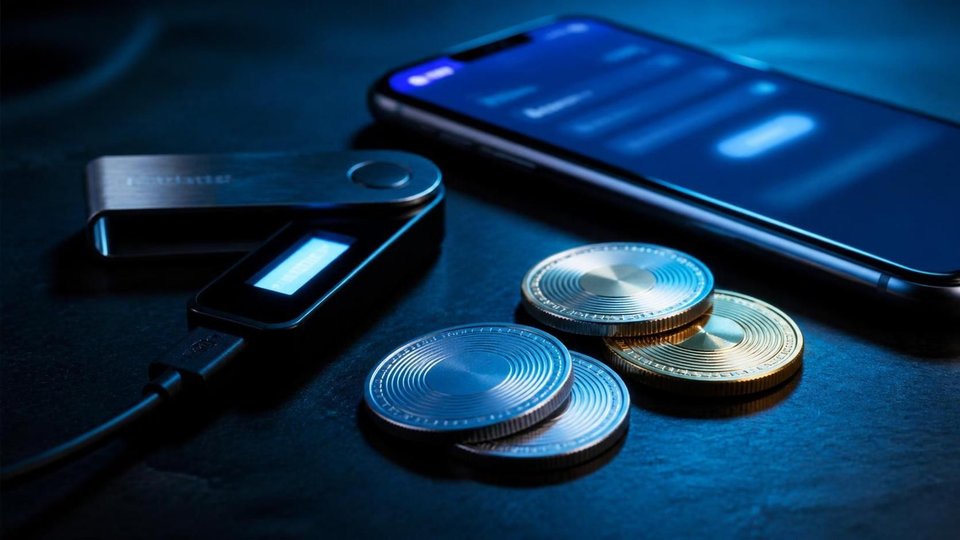
Dogecoin VPS on EPYC silicon: one native DOGE invoice, credit in minutes, Core from $4.80/mo annual-eff. Twelve locations, no KYC, no card.
Dogecoin VPS on EPYC silicon: one native DOGE invoice, credit in minutes, Core from $4.80/mo annual-eff. Twelve locations, no KYC, no card.
12 locations · 19 coins · SLA 99.95% · no KYC · public canary
VPS from $4.80* — Core on the annual term (list $6/mo), one invoice for 12 months, no auto-charges. Dedicated with IPMI from $39.20/mo. Crypto invoice, no KYC.
Launch nowDogecoin VPS, XRP VPS, Tron VPS: one plan ladder, priced in dollars first
Three plans, one ladder, and dollars settled before any coin enters the picture. Core lists at $6.00 a month and lands at $4.80 on the annual term: 2 vCPU, 4 GB of DDR5 memory, 80 GB of local NVMe and a 1 Gbps uplink. Prime doubles the shape for $12.00 list and $9.60 annual-eff — 4 vCPU, 8 GB, 160 GB NVMe, 2.5 Gbps. Titan closes the ladder at $24.00 list and $19.20 annual-eff, an 8-vCPU slice of an AMD EPYC 9354P with 32 GB of ECC memory, 320 GB of NVMe and a 10 Gbps uplink. You are choosing sizes on named silicon, not tiers of attention, and if you outgrow a rung the next one is a dropdown away.
| Plan | List /mo | Annual-eff /mo | vCPU | Memory | Storage | Uplink | Order |
|---|---|---|---|---|---|---|---|
| Core | $6.00 | $4.80 | 2 | 4 GB DDR5 | 80 GB NVMe | 1 Gbps | Deploy Core, pay in Dogecoin |
| Prime | $12.00 | $9.60 | 4 | 8 GB DDR5 | 160 GB NVMe | 2.5 Gbps | Deploy Prime, pay in Dogecoin |
| Titan | $24.00 | $19.20 | 8, EPYC 9354P | 32 GB ECC | 320 GB NVMe | 10 Gbps | Deploy Titan, pay in Dogecoin |
The deploy links in the last column open the checkout with the plan preselected and the coin field pointed at Dogecoin. You pick the term — annual takes 20% off the dollar total, quarterly 10% — and the invoice prints one exact DOGE figure beside one single-use address. Capacity is curated rather than pooled: twelve locations, fixed plans, and no oversold rows behind a waiting screen. When a tier shows available, the box that images is the box you ordered, on the silicon the table names, at the price the table prints.
How a DOGE payment settles: three blocks and the lightest fees in the meme cohort
Credit speed on this rail is a property of the chain, not of the host's mood. Dogecoin targets a block roughly every minute, so the depth an invoice watches for — about 3 blocks — lands inside a published 1–10 minute window in normal conditions. The checkout's watcher reads the public ledger through Dogechain, the long-running explorer, and credits an order when a transfer of the printed figure reaches the printed address at depth. You can watch the same public data while you wait, which turns the pause into a checkable fact instead of a promise.
The fee regime is the lightest of the meme coins, which is why small recurring invoices suit DOGE so well: the network dust you pay to settle a $4.80 figure is a rounding error next to the figure itself, and a Titan renewal moves for the same dust. Under the cadence sits scrypt proof-of-work merged with Litecoin through AuxPoW — miners submit one proof to both chains, so Dogecoin inherits the combined hash power of two mining communities. The project's own site documents the economics and the Dogecoin Core repository documents the reference client you may be sending from.
Two imported habits waste more time than any real stall. Waiting for six confirmations the invoice never asked for adds minutes of dead air to a transfer that already cleared, and comparing security per block across chains without adjusting for cadence produces confident nonsense. The costlier mistake is the impostor: if you send a wrapped DOGE token on Ethereum or BNB Chain, it lands on machines that have never heard of your invoice, and the watcher reads the Dogecoin chain and nothing else. Native chain, printed figure, one output — you can hold the entire discipline in one sentence.
The Dogecoin VPS market, checked on 2026-10-10
The category is established, not exotic. On 2026-10-10, Regxa, Rad Web Hosting, Navicosoft, QHoster and VSYS Host all run dedicated Dogecoin VPS pages, which tells you two useful things: demand for this exact phrase is real, and any seller you evaluate has been forced to think about coin payments seriously. You are comparing six catalogs, not hunting a rarity — and that competition means the invoice plumbing is boring everywhere, so the differences that remain are hardware, locations and terms.
What separates sellers is what sits behind the invoice. The positioning here is closed-capacity premium hosting: fixed plans on named silicon, twelve locations chosen for law and peering rather than spot-market pricing, and a checkout that never asks for a card. If another page leads with unlimited everything at a number that cannot buy the RAM it lists, the difference is not the coin — DOGE settles identically everywhere — it is the hardware and the capacity discipline behind it. Compare the ladder above against whatever the other five print, then compare the jurisdictions, and you can verify every line of it.
One honesty rule governs this section: no rival's specifications appear here beyond the existence of their Dogecoin VPS pages, and that claim carries its date — checked 2026-10-10. Specs drift and promotions expire, so re-selling someone else's numbers is how comparison pages rot, and you deserve better than stale figures. The numbers under warranty on this page are the ones in the table: $4.80, $9.60 and $19.20 on the annual term, on hardware named down to the processor package.
The honest section: what Dogecoin will not do for you
Start with the biggest misconception, because it sells copies. A coin invoice is not anonymity. The account you create is a token in a database, or an email plus a 12-character password, and the first IP that logs into the panel registers to that account; the invoice carries no name fields, but nothing about the setup makes the machine unattributable. The Dogecoin ledger is public — every transfer of every figure stays readable forever — and the exchange that sold you the coin keeps its own record tying a name to a sending address. What this checkout gives you is a short data trail, not an invisible one.
Acceptable use is written down and enforced, and the coin changes none of it. The AUP bans CSAM, phishing, spam and attack traffic — outbound scans, denial-of-service launched from the box, mail bombs, the whole family. Paying in DOGE does not move a workload from the banned column to the allowed one; it changes the settlement rail and nothing else. If you cross the line, you lose the machine, and no figure printed on an invoice argues otherwise.
Local law of the facility applies, whichever flag sits on the invoice and whichever coin paid it. A box in Reykjavik lives under Icelandic law and its retention rules; a box in Zurich answers to the Swiss FADP outside the EU; Tokyo runs under APPI; the EU sites under GDPR. There is no offshore magic in a meme coin — law follows the rack, not the wallet, which is why the jurisdiction guide exists and why you should read it before the checkout opens, not after an incident.
Then the map itself: twelve locations, and that is the whole map. Reykjavik, Zurich, Amsterdam, Frankfurt, Stockholm, Helsinki, Oslo, Luxembourg, Hong Kong, Tokyo, Singapore, Taipei — nowhere else, at any price, in any coin. Three flags carry published premiums: Iceland and Norway add 20%, Switzerland 35%, Luxembourg 15%. A DOGE invoice pays those premiums like any other, because the premium prices power, redundancy and law — not the billing rail and not your coin of choice.
None of this is a caveat dressed as marketing; it is the deal, stated once. The platform sells curated capacity on named silicon in twelve cities, settles in nineteen coins, keeps payload and guest-traffic logs off the table and connection metadata under 24 hours, and declines the anonymity theater some Dogecoin VPS buyers arrive expecting. If the requirement is a machine that answers no questions at all, the honest answer is that no commercial host sells that — and you should not believe the ones who claim otherwise.
Twelve cities, one catalog, three published premiums
Twelve cities, each chosen and each contractable: Reykjavik, Zurich, Amsterdam, Frankfurt, Stockholm, Helsinki, Oslo, Luxembourg, Hong Kong, Tokyo, Singapore and Taipei. Every plan on the ladder is offered in every city at the same list price, and the coin dropdown does not know geography — a DOGE invoice reaches Tokyo exactly as it reaches Frankfurt. What moves the price is the flag: Iceland and Norway add 20%, Switzerland 35%, Luxembourg 15%, and the other eight run at base list. You can change the city next year without touching the coin, or the reverse.
The premium buys contractable facts. Facility grades run from Tier III+ to Tier IV, redundancy from N+1 to full 2N, and uplinks span 20 to 100 Gbps of shared fabric. Peering shortens paths — FICIX in Reykjavik, AMS-IX and DE-CIX in Amsterdam, SwissIX in Zurich, HKIX in Hong Kong, JPIX in Tokyo, SGIX in Singapore — but peering changes latency, not what the law allows a server to do. The jurisdiction guide ranks all twelve by latency and governing law so you can choose on the two variables that actually differ.
Pick in this order and you will not have to undo anything: law first when the workload has a legal surface, latency second when it serves people, price last. A Zurich box costs 35% over list and buys Swiss civil law and Swiss power contracts; Stockholm buys GDPR at base list; Tokyo buys APPI and the shortest ping into Japan. The invoice is identical in every one of them except the premium line at the bottom.
One invoice, one figure, one address that exists once
The invoice is built to be un-mistakeable. It prints one exact DOGE figure, computed at creation from the discounted dollar total at the live rate, beside one single-use address that exists for that order and no other. There is no memo field, no destination tag and no network selector — Dogecoin's payload is address plus amount, which removes an entire class of send errors at the protocol level. The figure locks at creation, the watcher matches the printed number and nothing else, and you can check every character of it before signing.
The order of operations matters and is worth reading once. The term discount applies to the dollar total first — 20% off on the annual term, 10% on quarterly — and only then does the checkout convert to DOGE at the live rate. Geography premiums apply before the conversion too, so a Core year in Zurich prints as the list price lifted 35% and then cut 20%, divided by the rate: one line you can check by hand. No coin carries a surcharge or a discount; nineteen assets price identically, and DOGE is one of them, not a tier of its own.
A year costs one invoice — that is the practical meaning of the annual term in a DOGE context. A single transfer covers 12 months, no auto-charge sits on file, and renewal is a fresh bill you choose to pay at whatever the rate says next year. You skip twelve rate-lock moments, twelve addresses and twelve chances to mistype a string. The failure mode is calendar-shaped instead: nothing renews itself, so the reminder lives in your calendar, set a week before term end.
From credit to SSH prompt, and what to do when nothing moves
Credit lands at about 3 blocks, normally inside the 1–10 minute window, and a VPS images roughly a minute after that — you usually hold an SSH prompt within ten minutes of pressing send. Dedicated metal keeps its own schedule: 2–4 hours of racking with IPMI credentials handed over last, on the same clock whatever the coin. Plan the evening around the product line, not around the chain, and you will never wait on the wrong thing.
When nothing moves, the chain is rarely the cause. Dogecoin produces a block roughly every minute, so a transfer that has broadcast credits well inside the window; the usual stall sits upstream, at an exchange batching its withdrawals or in a Dogecoin Core wallet still syncing years of chain on first run. Pull the txid from the sending wallet, read it on the public explorer, and aim the ticket where the stall lives — at the exchange if it never broadcast, at the host if it did. You can settle the question before you write to anyone.
Three habits prevent the ticket entirely. Paste the address and the figure from the invoice itself, never from browser history, because addresses are single-use and last month's address belongs to a closed order. Decline the wallet's offer to deduct its fee from the entered amount — a figure short by the fee matches nothing. And never resend blind: if you do, a second transfer against one order turns a five-minute diagnosis into an afternoon of reconciliation. If the plan is really metal rather than a VPS, the dedicated crypto page carries the full ladder and the same DOGE checkout.
When DOGE is the wrong rail for the job
DOGE is the right rail when you hold it and want it spent; here is when something else earns the invoice. If the dollar figure must not move between quote and confirmation, USDT is the stable settlement — seven networks of it, laid out on the USDT VPS page. If the payment itself should leak as little as possible, Monero hides sender, receiver and amount by construction: the Monero VPS page covers shared boxes and bare-metal Monero covers single-tenant metal.
The majors keep their own pages: Bitcoin for the deepest liquidity, Litecoin for the closest mechanical cousin — DOGE inherits Litecoin's merged mining, after all — plus Ethereum, Solana and the HTTP-native x402. If a coin decision needs more background than a landing page, the step-by-step guide to buying a VPS with Dogecoin walks the invoice, the window and the wallet families, and the XRP twin lives at buying with XRP.
Switching rails later costs nothing, because the coin is a dropdown and the city, the plan and the term never share state with it. A Core ordered in DOGE this year can renew in XMR next year at the same $4.80 annual-eff — the invoice engine prices the rail the same whatever it carries. You decide the rail per invoice, forever; nineteen doors, one price, one account model.
Three blocks, ten minutes, $4.80 a month — the Dogecoin VPS, closed capacity on named silicon
The summary that survives contact with the invoice: about 3 blocks to confirm, a 1–10 minute credit window, roughly a minute to image, $4.80 a month for 2 vCPU, 4 GB of DDR5 and 80 GB of NVMe on the annual term — $9.60 for 4 vCPU and 2.5 Gbps, $19.20 for 8 EPYC 9354P cores, 32 GB of ECC and 10 Gbps. Twelve cities, three published premiums, nineteen settlement coins, zero card fields anywhere in the flow.
You can be reading this on one of those boxes inside the hour: Deploy Core, pay in Dogecoin, or step up through Prime and Titan when the workload says so. One DOGE invoice, one transfer, one year of capacity that was curated before you arrived and stays exclusive after you leave. That is the entire offer; the rest of this page was the warranty.
If tonight is for reading instead of deploying, the honesty section above tells you what the coin does not buy, the jurisdiction guide tells you where the law suits the workload, and the DOGE guide carries the mechanics in finer grain. Everything here is dated 2026-10-10 and priced in the open — you can check all of it before you owe anything.
Does a Dogecoin invoice need a destination tag or memo?
No. Dogecoin's payload is address plus amount, the invoice prints both, and the network fee is paid on top by the sending wallet. Paste both values from the invoice itself and send one output of the printed figure — that is the whole discipline.
Is a Dogecoin VPS anonymous?
No. The account is a token or an email plus a 12-character password and the invoice carries no identity fields, but the DOGE ledger is public, the exchange that sold you the coin keeps its records, and the IP that registers to the account is a datacenter address like any other. Short data trail, not an erased one.
What happens if I send the wrong amount of DOGE?
Stop before a second transfer and open a ticket with the txid. Matching waits for the exact printed figure, the address is single-use, and a blind resend turns a five-minute fix into a reconciliation exercise. Underpayment and overpayment are both treated as unmatched transfers, not partial credit.
How long until the VPS is up after I pay in DOGE?
Credit arrives at about 3 blocks inside a 1–10 minute window, the box images in roughly a minute more, and the SSH prompt follows. Dedicated metal is different by nature: 2–4 hours of racking, with IPMI handed over last, regardless of which coin settled the order.
Does paying in DOGE change the price or the discount?
No. The 20% annual discount applies to the dollar total first and the checkout converts the discounted figure once at the live rate. Geography premiums still apply — Iceland and Norway plus 20%, Switzerland plus 35%, Luxembourg plus 15% — and no coin carries a surcharge of any kind.
Primary sources
Ready to launch?
Build the box — VPS or bare metal — create the password, pay the invoice that follows.