 VPSbit
How to Run a Tor Exit Relay Without KYC — Specs and Abuse Reality
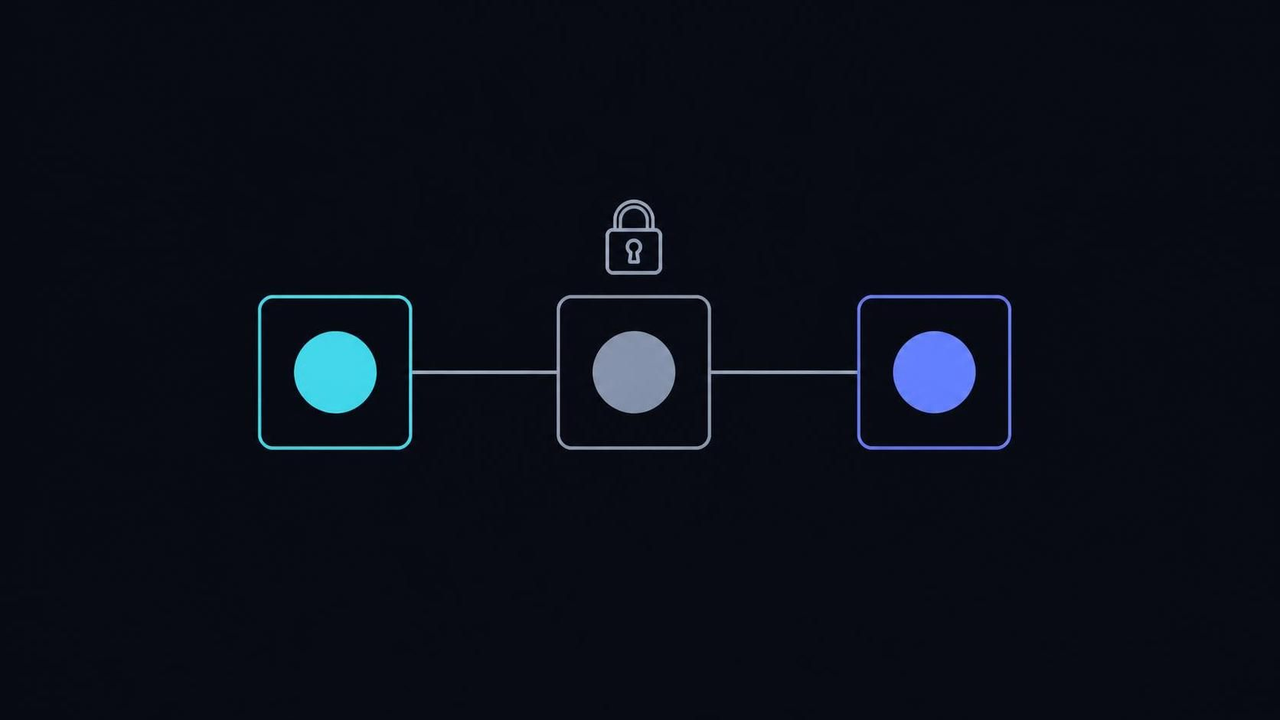
Exits run on request: an abuse mailbox you actually read, a reduced exit policy, a dedicated IPv4. Bridges start from $4.80*; Titan $24 carries a relay.
Exits are permitted on request with a working abuse contact; bridges and middle relays run from $4.80* on unmetered ports. Settle exit policy and complaint load before touching packages.
12 locations · 19 coins · SLA 99.95% · no KYC · public canary
VPS from $4.80* — Core on the annual term (list $6/mo), one invoice for 12 months, no auto-charges. Dedicated with IPMI from $39.20/mo. Crypto invoice, no KYC.
Launch nowExit duty is a different beast
Middle duty is simple: traffic passes through, and complaints stay rare. An exit is another animal — it pushes traffic that belongs to third parties onto the open internet under your IP, so abuse mail typically starts arriving within days. Most providers cut the relay at the first notice. We accept exits on request provided an abuse contact is on file, since the AUP judges the operator's conduct, never the protocol itself.
Plan tiers and complaint load
| Role | Minimum plan | Complaint volume | Notes |
|---|---|---|---|
| Bridge | Core $6 | None | The ideal first contribution |
| Middle relay | Prime $12 | Minimal | ContactInfo must be set |
| Exit relay | Titan $24+ | Regular mail | By request; dedicated preferred |
| Exit (high-bandwidth) | Dedicated $49+ | Regular mail | IPMI and unmetered bandwidth |
Deployment in five steps
- Stand up the VPS first — for exits, Amsterdam and Reykjavik remain the classic picks.
- Install Tor from the Tor Project's package repository; configure ORPort, ContactInfo, and a publicly visible ExitPolicy — the reduced exit policy keeps complaint volume down.
- Ask for exit enablement through a panel ticket that includes your abuse contact.
- Handle abuse mail with the standard Tor templates — dull, but they work.
- Watch relay health and use the unmetered traffic honestly.
Exit versus non-exit — settle policy before packages
Tor exits draw abuse mail; bridges and middle relays draw far less of it. VPSbit permits Tor with exits on request — begin as a non-exit on Prime or Prime, then ask for exit privileges once the abuse-desk load is understood. Titan ($24, 6 vCPU / 16 GB / 5 Gbps unmetered) carries a busy relay; Amsterdam supplies AMS-IX throughput. Read the Tor Project relay documentation before touching exit policy.
The hardware math is friendlier than the folklore: Tor moves a few tens of megabytes per second on a busy exit, so Titan ($24) and its unmetered 10 Gbps port is headroom, not a requirement — and the unmetered part is what matters, because a complaint-heavy month must never become a bandwidth-bill month. What the catalog asks in return is procedural. Exits run on request, so the abuse mailbox has to be real, the reduced exit policy has to match what you will actually answer for, and the relay's IPv4 should serve nothing else — not your mail, not your VPN, not the site next door. Bridges and middle relays skip the whole procedure and start at $4.80*, which is why they remain the honest first season on any Tor operator's record.
Reduced exit policies that trim ports cut complaint volume. Run a dedicated machine so exit reputation never shares an IPv4 with your mail or personal VPN. Exits are public infrastructure with public complaints. No-KYC helps the identity file; it never makes abuse mail disappear.
Legal content and the AUP still govern. Operating an exit is community service with an operational price — budget time for tickets, not merely bandwidth.
Once the exit is live, watch two numbers weekly: bandwidth served and complaint count. The first says the port is doing its job; the second says the policy set still matches your stomach. When either stops making sense, step back down to a middle relay — the network values a sustainable operator over a heroic one who quits in month two.
Before enabling ExitPolicy, read the Tor Project relay docs and pick the reduced exit port set. Register an abuse contact mailbox you genuinely read. Keep metrics exporters bound to localhost. Budget emotional bandwidth for complaint templates. Middle relays and bridges stay valuable when exits are not your season. VPSbit no-KYC plus crypto billing strips identity theater from the host file; operational maturity still decides whether an exit gifts the network or your insomnia.
Operational footnote: begin non-exit, read the Tor Project docs, request exit only when abuse mail feels manageable, and keep personal services off that IPv4. Titan at $24 with an unmetered 10 Gbps port is the practical exit floor; Amsterdam supplies the throughput. No-KYC helps the identity file; maturity handles the mailbox.
Final note: policy before packages — non-exit first, Tor Project docs, exit on request, dedicated IPv4, Titan $24, Amsterdam throughput, an abuse mailbox you actually read. No-KYC removes identity theater; exits still generate mail. Bridges and middles remain honorable work if exits are not for you.
Reduced exit policies lower the pain. Keep the personal VPN and mail elsewhere. Measure uptime and complaint volume monthly. Community service with eyes open beats heroic exits abandoned in week two.
An exit reality check
Not ready for abuse mail? Operate a middle relay or bridge first. The network still benefits, and your week stays kinder.
Abuse-desk readiness before any ExitPolicy
Operate a middle relay or bridge on Prime/Prime first. Read the Tor Project relay documentation. Fix the reduced exit port set. Stand up abuse mail that gets read. Only then request exit. Titan ($24) with 5 Gbps unmetered in Amsterdam is the practical exit floor; keep personal VPN and mail off that IPv4. No-KYC helps the identity file; maturity absorbs the complaint templates.
Abuse-desk reality ahead of enabling ExitPolicy
Exits produce mail; reduced exit policies trim volume without zeroing it. Keep the relay on its own IPv4 — never beside personal mail. Titan ($24) or dedicated ($49) for busy exits; learn on a bridge running from Core. Read the Tor Project relay docs, set ContactInfo, and answer templates promptly. No-KYC covers the identity file; it deletes no abuse tickets.
The build we recommend
Plan: Titan, giving you 8 vCPU, 32 GB DDR5, an unmetered 10 Gbps port for $24/mo. Location: Amsterdam, whose AMS-IX throughput suits a busy exit. Start as a bridge today and step up to an exit once your request is approved.
Tor-friendly VPS from $4.80/mo — exits enabled on request.
Get startedMore rankings and guides
- VPS for a privacy tools stack
- Best VPS outside the 14 Eyes
- Best no-KYC VPS with DDoS
- Best privacy jurisdictions 2026
- Limits of no-KYC anonymity
- Full opsec checklist
Does abuse mail put my IP at risk?
Exits do draw complaints; the reduced exit policy combined with prompt answers keeps the volume manageable. Middle relays almost never receive any.
Could an exit be switched off without warning?
A relay is ended only for conduct that breaks the AUP — criminal activity; routine abuse mail gets an answer, never a punishment.
Is running a Snowflake proxy an option instead?
Yes — it is tiny, fits the Core plan, and carries zero abuse load.
Can an exit run on Core?
Technically feasible at low speed; Prime is the sane floor for a useful exit.
Where should the relay live?
Amsterdam buys throughput; Romania or Iceland buy the legal story - get exit approval confirmed before launch.
Primary sources
Ready to launch?
Build the box — VPS or bare metal — create the password, pay the invoice that follows.